





Everything posted by AndrewG
-
Info here: NTB91-047_1MD19_DOOR_WINDOW_NOISE.pdf and since you are working on the windows this may also help: TS89-149_1MH19_Z32_DOOR_WINDOW_CHECKS_and_ADJUSTMENTS.pdf
-
Yes please.
-
Capacity below from FSM (includes UK/Euro specs with cooler). I use Redline MT-90 Gearbox Oil. Gearbox became noticeably smoother after about 1000 mile run in.

-
Both Shahid and BigH have used the services of Greg@Protuner with good results. https://protuner.co.uk/
-
If you are getting lines made up then banjos would be my choice.
-
Welcome to the Club Luke. When you are subscribed send me the VIN code and I will let you know when the car was built etc.
-
Is it not a banjo fitting on that caliper type?
-
Now you just need to fit a Carbing rear strut Chris. I found it makes quite a difference to the feel of the car's handling.
-
I would have thought that the cost for a replacement windscreen would be covered by the insurance policy (as mine does). Doesn't get around the delay in sourcing the screen, but the most you should have to pay is the excess (which in my case is £75). Replacement would be for a damaged unrepairable windscreen.
-
That's the point about 300ZX ownership - it's all about the journey not the destination.And so it begins...

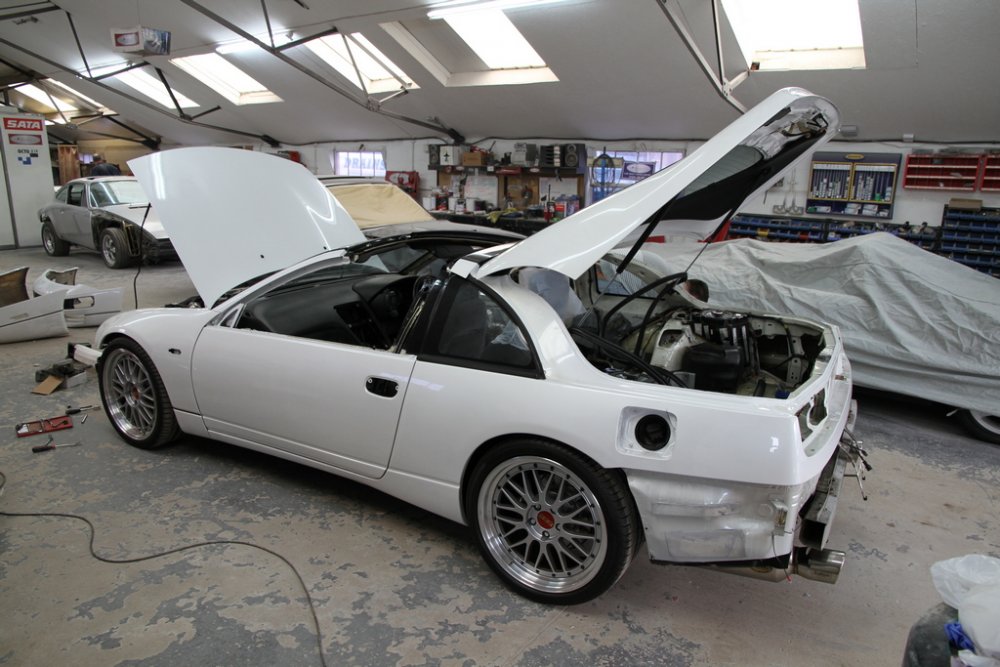 Best wishes on your Birthday Joel!
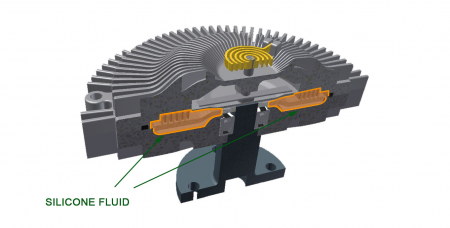
 Unless the guidelines have changed most police forces follow the policy on speeding over the motorway limit (70mph) as under 79mph to be disregarded and 79mph to 86mph to be considered for a National Speed Awareness Course. Over that you can expect a summons. Of course, you can be prosecuted at any speed for other driving offences such as careless or dangerous driving.Based on a bimetal sensor located at the front of the viscous fan the sensor expands or contracts, depending on the air temperature flowing through the radiator. At Cold Temperatures the bimetal sensor contracts closing the valve, so the silicone fluid remains in the reservoir chamber. At this stage, the viscous fan coupling is disengaged and turns at around 20% of the rotation speed of the engine. At operating Temperatures the bimetal sensor expands, rotating the valve and allowing the silicone fluid to move through the entire chamber to the outer edges. This generates enough torque to drive the cooling fan blades at engine operating speeds and remain at a consistent temperature. At this stage, the viscous fan coupling is engaged and turns at around 80% of the rotation speed of the engine. Source: BG Automotive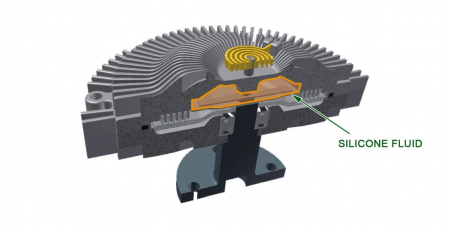
 Looks like the sign has been relisted on eBay: http://www.ebay.co.uk/itm/Vintage-car-dealership-sign-Nissan-showroom-/152466415935?hash=item237fb4e13f:g:Y3cAAOSwB-1Yve85Use compressed air to push them out next time. Put a block of wood between the pistons to stop them stricking their opposite number if they suddenly shift.But will you be able to reach new heights?How did they get damaged?Best wishes on your Birthday Andy!
 Best Wishes for a rapid recovery David!
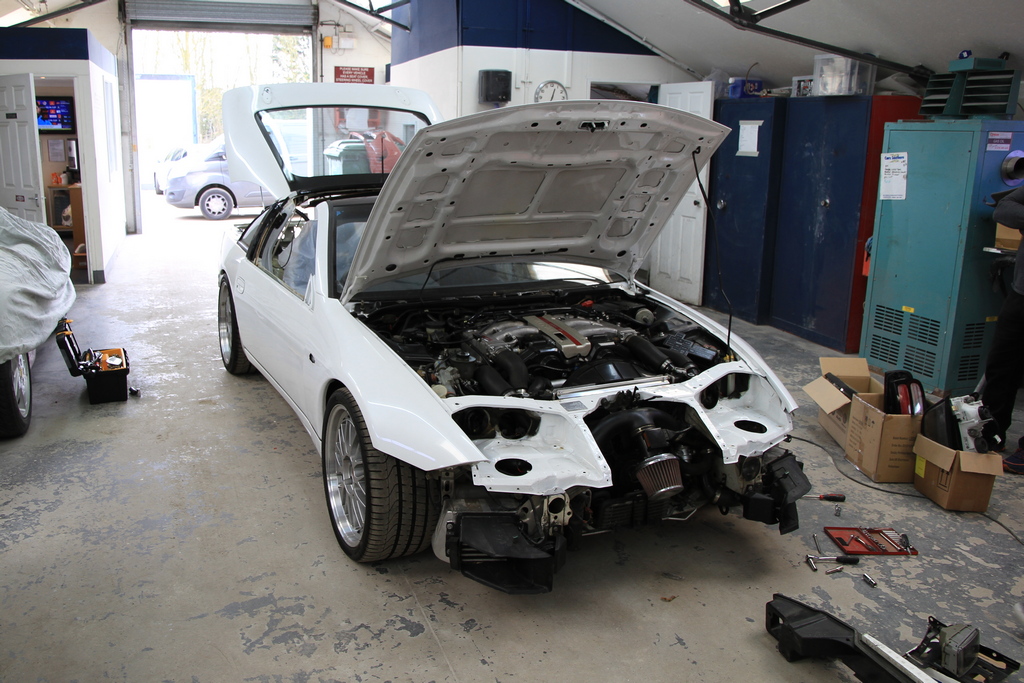
 You never know Gary, however this picture may help you decide your upper limit...
 I know I've posted this before but... "I am here to tell you that IN MY OPINION it would be better to upgrade your intercoolers and pipes rather than upgrade your turbos if your not going to do both." - Greg D@Speciality Z http://www.twinturbo.net/nissan/300zx/forums/general/view/2415470/A-little-info-about-turbos-and-pipes-DYNO-CHARTS.html





Important Information
Account
Navigation
Search
Configure browser push notifications
Chrome (Android)
- Tap the lock icon next to the address bar.
- Tap Permissions → Notifications.
- Adjust your preference.
Chrome (Desktop)
- Click the padlock icon in the address bar.
- Select Site settings.
- Find Notifications and adjust your preference.
Safari (iOS 16.4+)
- Ensure the site is installed via Add to Home Screen.
- Open Settings App → Notifications.
- Find your app name and adjust your preference.
Safari (macOS)
- Go to Safari → Preferences.
- Click the Websites tab.
- Select Notifications in the sidebar.
- Find this website and adjust your preference.
Edge (Android)
- Tap the lock icon next to the address bar.
- Tap Permissions.
- Find Notifications and adjust your preference.
Edge (Desktop)
- Click the padlock icon in the address bar.
- Click Permissions for this site.
- Find Notifications and adjust your preference.
Firefox (Android)
- Go to Settings → Site permissions.
- Tap Notifications.
- Find this site in the list and adjust your preference.
Firefox (Desktop)
- Open Firefox Settings.
- Search for Notifications.
- Find this site in the list and adjust your preference.